Preparing for Natural Disasters: The Vital Role of Emergency Medicine in Saving Lives


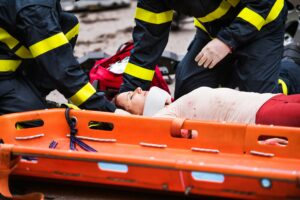
Natural disasters can happen without warning and create serious challenges for individuals, families, and entire communities. Floods, earthquakes, hurricanes, wildfires, and severe storms can cause injuries, damage healthcare facilities, and limit access to essential services. During these critical moments, natural disaster emergency medicine becomes a key part of protecting public health. Emergency medicine professionals prepare for unexpected situations by developing response plans, improving medical readiness, and ensuring that patients receive timely care when they need it most.
Emergency medicine involves much more than treating injuries after a disaster occurs. It focuses on preparation, rapid response, and recovery support. Healthcare teams study possible risks, train for different emergency situations, and work with other organizations to improve disaster response. Because every disaster creates unique challenges, medical professionals must remain flexible and ready to make quick decisions. Their preparation helps reduce confusion and allows communities to receive effective medical support during difficult times.
When a natural disaster affects a community, emergency departments often experience a sudden increase in patients. Some people may suffer from serious injuries, while others may face health problems caused by unsafe conditions, stress, or limited resources. Emergency medicine teams must quickly assess each patient and provide care based on the level of urgency. This process helps medical workers focus their efforts where they can make the greatest impact.
Additionally, emergency medicine professionals collaborate with rescue teams, public health agencies, and local leaders. Strong communication between these groups allows medical supplies, transportation, and emergency services to reach affected areas faster. This teamwork creates a stronger disaster response system and improves the ability to protect people during dangerous situations.
Preparing Hospitals and Healthcare Teams Before Emergencies
Effective disaster response begins before a natural disaster occurs. Hospitals and healthcare organizations create detailed emergency plans to prepare for possible threats. These plans help medical teams understand their responsibilities and respond more efficiently when a crisis develops. Regular training exercises allow doctors, nurses, and support staff to practice emergency procedures and improve their readiness.
Emergency medicine teams also help hospitals manage resources during disasters. Medical supplies, equipment, and medications must remain available even when normal operations become difficult. Healthcare facilities prepare backup systems and review their emergency processes to maintain patient care. These steps help hospitals continue functioning when communities depend on them the most.
Furthermore, disaster preparation includes educating the public about emergency safety. Emergency medicine professionals often share information about injury prevention, first aid, and when to seek medical attention. When people understand basic safety practices, they can avoid unnecessary risks and reduce pressure on emergency services. Public awareness creates stronger communities that can respond more effectively during natural disasters.
Another important part of preparation involves supporting vulnerable populations. Older adults, young children, and people with ongoing health needs may face greater challenges during emergencies. Emergency medicine providers consider these needs when creating disaster plans. By preparing targeted support strategies, healthcare teams can ensure that everyone has access to necessary medical assistance.
Delivering Fast and Effective Care During Disasters
When a natural disaster happens, every moment can matter. Emergency medicine professionals must quickly evaluate injuries and provide immediate treatment. They may treat broken bones, wounds, infections, breathing problems, and other urgent health concerns. Their ability to make fast decisions helps prevent complications and improves the chances of recovery.
Disaster situations often create difficult working conditions. Hospitals may experience overcrowding, damaged facilities, or limited access to important resources. In some cases, medical teams may provide care in temporary locations outside traditional healthcare settings. Emergency medicine professionals use their training and experience to adapt to these challenges while maintaining patient safety.
Moreover, emergency medicine during disasters includes emotional support. Many people experience fear, anxiety, and trauma after losing homes, facing injuries, or witnessing destruction. Healthcare providers understand that emotional health is an important part of recovery. By offering reassurance and compassionate care, medical teams help patients manage the psychological effects of disasters.
Modern technology also plays an increasing role in disaster medical response. Digital communication systems, electronic health records, and remote healthcare services help medical teams share information and coordinate treatment. These tools allow healthcare providers to make informed decisions even when transportation and communication systems face interruptions.
Strengthening Community Safety Through Emergency Planning
Community involvement is essential for successful disaster preparation. While emergency medicine professionals provide critical medical support, individuals and families also play an important role in reducing risks. Learning emergency procedures, preparing basic supplies, and understanding local safety information can help people respond more effectively during disasters.
Emergency medicine experts often work with communities to improve disaster awareness. Educational programs and safety campaigns help people recognize warning signs and understand how to protect themselves. These efforts encourage individuals to take responsibility for their own safety while supporting broader emergency response efforts.
In addition, strong partnerships between healthcare systems and community organizations improve disaster recovery. Local groups can provide resources, transportation support, and assistance for people who need extra help. When healthcare providers and communities work together, recovery becomes more organized and effective.
Emergency preparedness also requires continuous improvement. Natural disasters continue to change because of environmental, social, and technological factors. Healthcare systems must regularly update their strategies and learn from past experiences. Emergency medicine professionals use these lessons to improve future disaster responses and strengthen healthcare readiness.
The Future of Emergency Medicine in Disaster Response
The future of emergency medicine will depend on innovation, training, and cooperation. As communities face increasingly complex natural disasters, healthcare providers must continue developing new methods to deliver fast and reliable care. Advanced technology, improved communication systems, and better preparation programs will help emergency teams respond more effectively.
Artificial intelligence, data analysis, and digital healthcare tools may also support future disaster responses. These technologies can help predict risks, organize resources, and improve decision-making during emergencies. However, skilled medical professionals will remain essential because human judgment and compassion are necessary in critical situations.
Emergency medicine will continue to serve as a foundation for disaster protection. From preparing hospitals to treating patients during crises, emergency healthcare teams help communities survive and recover from unexpected events. Their dedication ensures that people receive medical support when they need it most.
Preparing for natural disasters requires planning, teamwork, and strong healthcare systems. Through effective emergency medicine strategies, communities can reduce risks, improve recovery, and protect lives. As disasters continue to challenge society, the role of emergency medicine will remain essential in building safer and more resilient communities.