How Emergency Medicine Helps Communities Prepare for Natural Disasters


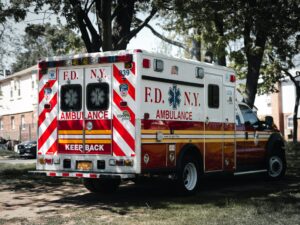
Natural disasters can happen without warning, leaving communities to face injuries, medical emergencies, and limited resources. During these difficult moments, emergency medicine teams play a major role in protecting lives and restoring health services. Understanding natural disaster medical preparedness helps people recognize how doctors, nurses, and emergency responders prepare before, during, and after major events.
Understanding the Connection Between Disasters and Emergency Medicine
Natural disasters such as hurricanes, earthquakes, floods, wildfires, and severe storms can create sudden health challenges. These events often cause injuries, worsen existing medical conditions, and limit access to regular healthcare services. Therefore, emergency medicine focuses on preparing systems that can respond quickly when normal medical operations become disrupted.
Emergency healthcare teams train for situations where many people need help at the same time. They learn how to manage crowded hospitals, treat serious injuries, and provide care when supplies or staff may become limited. Additionally, these teams work with public agencies, rescue groups, and community organizations to improve disaster response plans.
Moreover, emergency medicine does not begin only after a disaster happens. Preparation starts long before an event occurs. Hospitals create emergency plans, practice response drills, and organize resources so healthcare workers can act quickly when communities need them most.
How Emergency Departments Prepare Before Natural Disasters
Preparation is one of the most important parts of emergency medicine during disasters. Hospitals and emergency departments review possible risks in their areas and develop plans based on those threats. For example, a coastal hospital may prepare differently for hurricanes than a hospital located near wildfire areas.
Emergency teams often check medical supplies, increase staffing plans, and prepare backup systems for power or communication problems. These steps help hospitals continue operating even when disasters affect normal services. Furthermore, healthcare workers practice their roles through training exercises that improve teamwork and decision-making.
Another important part of preparation involves understanding patient needs. Emergency teams plan for people with injuries, chronic illnesses, medication needs, and emotional stress. By considering different situations ahead of time, healthcare providers can respond more effectively when a disaster occurs.
The Role of Emergency Medicine During a Disaster Response
When a natural disaster strikes, emergency medicine becomes a central part of the community response. Medical teams must quickly evaluate injuries, prioritize care, and provide treatment under challenging conditions. This process requires strong communication and careful organization.
For example, after a major storm or earthquake, emergency departments may receive many patients with broken bones, wounds, infections, or breathing problems. Doctors and nurses use emergency care methods to determine which patients need immediate treatment and which patients can safely wait.
Additionally, emergency medicine professionals may provide care outside traditional hospitals. Mobile medical units, temporary clinics, and community response locations can help reach people when transportation or hospital access becomes difficult. These efforts allow healthcare teams to support more people during large-scale emergencies.
Community Preparation and the Importance of Public Awareness
Emergency medicine relies not only on healthcare workers but also on prepared communities. When people understand basic safety steps and know how to respond during disasters, they can reduce pressure on emergency services. Public awareness helps individuals make safer choices before professional help arrives.
Families can improve their readiness by learning emergency procedures, keeping important medical information available, and understanding local disaster risks. These actions support community emergency response planning by helping people prepare for unexpected situations before they happen.
Furthermore, public education can reduce confusion during emergencies. When people know where to seek help and how emergency systems work, they can respond more calmly. As a result, emergency teams can focus their attention on those who need urgent medical assistance.
Managing Injuries and Health Risks After Natural Disasters
Natural disasters create many different health risks. Some injuries happen immediately, such as cuts, fractures, burns, and trauma from falling objects. However, other health problems may appear later, including infections, dehydration, stress-related conditions, and complications from interrupted medical treatments.
Emergency medicine teams focus on both immediate and long-term health concerns. They treat physical injuries while also watching for conditions that may develop after the disaster. Therefore, medical workers must consider the complete health needs of affected communities.
Furthermore, disasters can create challenges for people who depend on regular medications or medical equipment. Emergency teams help manage these concerns by providing temporary solutions and connecting patients with available resources. Their support can prevent serious complications during uncertain times.
Coordinating Emergency Medical Resources During Crisis Situations
Large disasters require careful coordination because resources may become limited. Emergency medicine teams work with hospitals, government agencies, and emergency responders to share information and organize assistance. This teamwork helps communities receive the care they need as quickly as possible.
One important part of this coordination involves managing medical supplies, transportation, and available healthcare workers. During major emergencies, hospitals may need to move patients, request additional support, or adjust normal operations. Effective planning helps reduce delays and improves patient outcomes.
Additionally, communication plays a key role during disaster response. Healthcare workers need accurate updates about damaged areas, patient numbers, and available resources. Clear communication allows emergency teams to make better decisions and provide safer care throughout the crisis.
How Emergency Medicine Continues After the Disaster Ends
Many people think disaster response ends once immediate injuries are treated. However, emergency medicine continues to support communities during recovery. After a disaster, healthcare teams monitor ongoing health concerns, assist displaced patients, and help restore access to medical services.
Recovery can involve treating infections, managing stress-related health problems, and helping patients reconnect with regular healthcare providers. Emergency teams also review their response efforts to identify improvements for future events. These lessons strengthen disaster preparation and improve future medical responses.
Moreover, long-term recovery requires cooperation between healthcare systems and communities. When emergency medicine professionals share knowledge and resources, they help communities become stronger after difficult events. Their work supports both immediate safety and future resilience.
Building Stronger Disaster Readiness Through Medical Support
Natural disasters will continue to challenge communities, but strong preparation can reduce their impact. Emergency medicine provides essential support by creating response plans, treating injuries, and helping people access care during uncertain situations. Understanding disaster emergency medical planning allows individuals to see how healthcare systems prepare for and respond to major emergencies.
Ultimately, emergency medicine serves as a bridge between disaster situations and community recovery. Through training, teamwork, and careful planning, medical professionals help protect lives when people need support the most. By combining professional response efforts with public preparation, communities can face natural disasters with greater confidence and safety.