Next-Gen Care on the Front Line: How Digital Innovation Is Reshaping Emergency Medicine


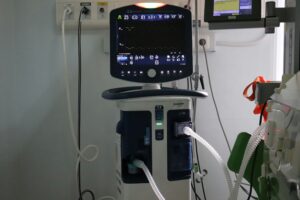
Emergency rooms and ambulance teams now rely on technology more than ever. Over the past decade, emergency medicine technology has changed how doctors, paramedics, and hospitals respond to urgent cases. Today, speed matters, but accuracy matters just as much.
Moreover, modern systems help teams make faster decisions with better information. As a result, patients receive care sooner, and survival rates continue to improve. In addition, hospitals now connect digital tools directly to field responders, which reduces delays and confusion during critical moments.
AI-Powered Triage Is Speeding Up Decisions
Artificial intelligence now plays a major role in early patient assessment. Many hospitals use AI systems to analyze symptoms, vital signs, and injury reports within seconds. Therefore, medical teams can prioritize patients more effectively.
For example, AI triage tools can detect signs of stroke or heart attack based on early input data. Additionally, these systems help reduce human error during high-pressure situations. However, doctors still make final decisions, since human judgment remains essential in complex cases.
Furthermore, AI systems learn from large datasets. Over time, they improve accuracy and help emergency departments manage patient flow more efficiently. This advancement strengthens AI triage systems in emergency care and supports faster response times.
Telemedicine Brings Specialists Into the Ambulance
Telemedicine now connects paramedics with doctors while patients are still in transit. This innovation allows specialists to guide treatment before the patient reaches the hospital. As a result, care begins much earlier than in traditional systems.
For instance, if a patient shows signs of a stroke, a neurologist can join a live video call with the ambulance team. Moreover, they can guide immediate treatment steps and recommend hospital preparation. This process improves coordination and reduces treatment delays.
In addition, rural areas benefit significantly from telemedicine. Patients in remote locations gain access to expert advice without waiting for long transfers. Therefore, remote emergency consultation technology continues to grow as a key part of modern healthcare systems.
Wearable Devices Provide Real-Time Health Tracking
Wearable technology has become a powerful tool in emergency medicine. Devices like smartwatches and health monitors now track heart rate, oxygen levels, and body temperature in real time. Consequently, doctors can detect problems earlier than ever before.
For example, a patient with heart disease can alert emergency services automatically if abnormal readings occur. Additionally, wearables send live data to medical teams, which helps them prepare before arrival. This reduces response time and improves outcomes.
Moreover, wearables support chronic patients who need constant monitoring. As a result, remote patient monitoring systems help reduce hospital visits while still ensuring safety. However, privacy and data security remain important concerns in this area.
Drones and Robotics Are Entering Emergency Response
Technology now extends beyond hospitals and ambulances. Drones and robotic systems assist in search and rescue operations, disaster zones, and medical deliveries. Therefore, emergency teams can reach people faster in difficult environments.
For instance, drones can deliver defibrillators to cardiac arrest victims in crowded urban areas. Additionally, they can map disaster zones and identify safe entry points for rescue teams. This improves efficiency and reduces risks for responders.
Robotic systems also support hospital operations. Some hospitals use robots to transport medical supplies, disinfect rooms, and assist in logistics. Moreover, these tools free up staff to focus more on patient care.
Predictive Analytics Helps Prevent Emergencies
Data now plays a major role in preventing emergencies before they happen. Predictive analytics tools analyze patterns from past cases to forecast future risks. Therefore, hospitals can prepare for spikes in demand, such as flu outbreaks or accident surges.
For example, emergency departments can use weather and traffic data to predict accident-prone times. Additionally, they can adjust staffing levels based on expected demand. This improves readiness and reduces overcrowding.
Furthermore, predictive emergency response systems help city planners improve public safety. As a result, communities benefit from smarter resource allocation and faster emergency preparation.
Mobile Apps Are Strengthening Public Response
Mobile health applications now empower everyday people to respond better during emergencies. Many apps guide users through CPR steps, emergency calls, and first aid instructions. Consequently, bystanders can take action before professionals arrive.
For instance, some apps connect users directly to nearby emergency services with one tap. Moreover, they share location data instantly, which speeds up response time. This reduces confusion during stressful situations.
In addition, hospitals use mobile platforms to communicate with patients and families. Therefore, digital emergency communication tools improve coordination and reduce delays in critical updates.
Hospital Systems Are Becoming Fully Connected
Modern hospitals now use integrated digital platforms that connect emergency rooms, labs, and imaging centers. As a result, patient information flows quickly across departments without delays.
For example, when a patient arrives in the emergency room, doctors can instantly access medical history, allergies, and past treatments. Additionally, lab results appear in real time, which helps doctors make faster decisions.
Moreover, interoperability between systems has improved significantly. However, some healthcare networks still face challenges with outdated software. Therefore, ongoing upgrades remain essential for full efficiency.
Training Emergency Teams With Virtual Reality
Virtual reality and augmented reality now train emergency professionals in realistic environments. These tools allow medical teams to practice high-pressure situations without real-world risk. Therefore, training becomes safer and more effective.
For example, VR simulations can recreate trauma scenarios like car accidents or cardiac arrests. Additionally, trainees can repeat procedures until they gain confidence and accuracy. This improves readiness in real emergencies.
Moreover, AR tools help surgeons and paramedics visualize internal structures during procedures. As a result, medical simulation technology continues to improve skill development and decision-making speed.
The Road Ahead for Emergency Medicine Innovation
Emergency care continues to evolve rapidly as technology advances. Moreover, hospitals, EMS teams, and tech developers now work closely to improve response systems. This collaboration strengthens patient care at every stage.
In the future, we will likely see deeper AI integration, faster data sharing, and more automation in emergency workflows. Therefore, emergency medicine technology trends will continue shaping how healthcare systems respond to crises.
Ultimately, these innovations aim to save more lives, reduce response time, and improve overall care quality. As technology grows, so does the ability of medical teams to act faster, smarter, and more effectively.