How Modern Innovations Are Transforming Firefighter Gear


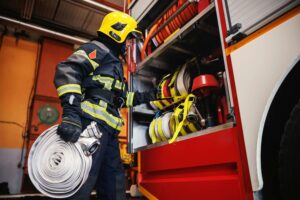
Firefighting is one of the most demanding and dangerous professions, requiring courage, physical strength, quick decisions, and reliable protective equipment. As fire-related emergencies grow more complex, traditional firefighting tools can no longer address every challenge. Modern innovations are transforming firefighter gear by introducing advanced materials, smart technologies, improved communication systems, and better safety features. These developments help firefighters perform their duties more efficiently while reducing exposure to dangerous conditions. From heat-resistant clothing to wearable sensors, new equipment is changing how firefighters respond to emergencies and protect their lives.
Advanced Materials Improve Firefighter Protection
One of the most important developments in firefighter equipment is the introduction of advanced protective materials. Traditional firefighting clothing provides essential protection against heat and flames, but modern fabrics offer improved performance, flexibility, and durability. Manufacturers now use specialized fibers, multilayer fabrics, and lightweight insulation to create protective clothing that can withstand extreme temperatures.
Modern turnout gear typically includes an outer shell, a moisture barrier, and a thermal liner. Each layer serves a specific purpose, helping protect firefighters from flames, hot liquids, smoke, and other workplace hazards. New material technologies also improve breathability, allowing heat and moisture to escape more effectively.
Lightweight protective fabrics make movement easier during demanding rescue operations. Firefighters can climb ladders, carry heavy equipment, and move through narrow spaces more comfortably. These improvements reduce unnecessary physical strain without compromising essential protection.
Smart Wearable Technology Strengthens Safety
Smart technology is becoming an important part of modern firefighter gear. Wearable sensors can monitor body temperature, heart rate, movement, and other vital information during emergency operations. This technology helps identify signs of physical stress and overheating before they develop into serious medical emergencies.
Some advanced systems also track a firefighter’s location inside buildings. Indoor positioning technology can help incident commanders understand where team members are working, especially when smoke, darkness, and structural damage make visibility difficult.
Connected safety devices can transmit important information to command teams in real time. If a firefighter becomes motionless or experiences dangerous conditions, monitoring systems can help supervisors recognize the situation and organize assistance more quickly. These features support better decision-making and improve emergency response coordination.
Improved Respiratory Equipment Supports Safer Breathing
Breathing in smoke, toxic gases, and airborne chemicals is one of the greatest risks firefighters face. Modern self-contained breathing apparatus systems are designed to provide clean air while protecting users from hazardous environments.
Recent improvements focus on lighter components, better-fitting facepieces, improved air regulators, and more effective warning systems. These features help firefighters maintain a reliable air supply while working in dangerous locations.
Electronic monitoring systems can also display remaining air pressure and alert firefighters when supplies run low. This information helps firefighters manage their time inside hazardous environments and plan their exit before their breathing air runs out. Better respiratory equipment is especially important during long operations involving enclosed spaces and heavy smoke.
Thermal Imaging Cameras Improve Visibility
Smoke-filled buildings can make it extremely difficult to locate victims, identify fire sources, and navigate safely. Thermal imaging cameras address this challenge by detecting temperature differences and displaying heat patterns as visible images.
Modern thermal cameras are becoming smaller, lighter, and easier to operate. Some models can be attached to helmets or carried as handheld devices, allowing firefighters to use them without significantly restricting movement.
These cameras help emergency crews identify people behind smoke, locate hidden hot spots, and recognize potentially dangerous structural conditions. Although thermal imaging cannot replace careful assessment, it provides valuable information that supports faster and more informed decisions.
Advanced Communication Systems Connect Fire Crews
Clear communication is essential during firefighting operations because teams often work in different areas under dangerous conditions. Traditional radio systems remain important, but modern communication technology offers additional capabilities.
Improved digital radios provide clearer audio, stronger connectivity, and better background noise reduction. Some systems can connect with wearable sensors and command platforms, allowing important safety information to reach supervisors without relying entirely on verbal updates.
Helmet-mounted communication devices also help firefighters communicate while keeping their hands available for essential tasks. Better connectivity reduces confusion, supports teamwork, and helps incident commanders coordinate resources more effectively during complex emergencies.
Ergonomic Equipment Reduces Physical Strain
Firefighters regularly carry heavy protective clothing, breathing equipment, tools, and rescue supplies. The combined weight can increase fatigue and make demanding operations even more difficult. Modern equipment designers are addressing this challenge through improved ergonomics and weight distribution.
Lightweight helmets, redesigned boots, flexible protective materials, and adjustable equipment systems help reduce unnecessary strain. Better-fitting gear also improves mobility and allows firefighters to perform physical tasks with greater control.
Innovations in backpack-style breathing apparatus and supportive carrying systems can distribute weight more evenly across the body. These improvements may help reduce discomfort during extended emergency responses while supporting better physical performance.
The Future of Firefighter Gear
The future of firefighting equipment will likely involve greater integration between protective clothing, wearable electronics, artificial intelligence, and real-time monitoring systems. Smart helmets may combine thermal imaging, communication tools, and environmental sensors into a single platform.
Artificial intelligence could also help analyze information from multiple devices, identify changing hazards, and support emergency decision-making. At the same time, manufacturers will continue exploring stronger, lighter, and more sustainable materials.
However, advanced equipment must remain practical, reliable, and easy to maintain. Fire departments also need proper training to ensure personnel understand how to use new technologies effectively. Modern innovations are most valuable when they combine dependable protection with simple operation and proven performance.
As technology advances, firefighter gear is becoming more intelligent, comfortable, and capable. These improvements are helping emergency crews face dangerous situations with greater confidence while supporting faster responses and stronger workplace safety. Investing in modern protective equipment is an important step toward building safer firefighting operations and protecting the people who risk their lives to save others.