Preparing for Natural Disasters: Emergency Medicine’s Role


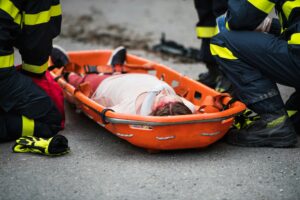
Natural disasters can change daily life in a matter of minutes. Hurricanes, floods, wildfires, earthquakes, tornadoes, and severe storms can damage homes, block roads, cut power, and place many people at risk. They can also put hospitals under intense pressure. Emergency medicine becomes especially important during these events because it focuses on rapid decision-making, urgent care, and safe treatment when normal systems may not function as expected.
Emergency medicine teams prepare for more than injuries. They also plan for power loss, blocked roads, delayed supplies, crowded hospitals, and patients who cannot reach their regular doctors. Their work supports the entire community. Good preparation helps hospitals stay organized, respond faster, and protect more people when disasters occur.
Preparing Before a Disaster Happens
Emergency medicine starts preparing long before a storm, fire, or earthquake reaches a community. Hospitals assess the risks in their area and develop plans for different scenarios. A hospital near the coast may prepare for hurricanes and flooding. A hospital in a dry region may focus more on wildfires. These local risks shape how medical teams prepare their staff, equipment, and treatment areas.
Preparation also means reviewing potential failures during an emergency. Hospitals need plans for power outages, water disruptions, road damage, and communication outages. Emergency teams practice these situations so they know what to do when pressure rises. Strong planning helps reduce confusion and gives staff a clear direction.
Training Medical Teams for Fast Action
Training helps emergency workers respond with confidence. Doctors, nurses, paramedics, and support staff need to know their roles before a disaster begins. Practice drills can copy real emergencies and show how teams respond when many patients arrive at the same time. These drills also test how well staff communicate and share tasks.
Regular training helps hospitals find weak areas in their plans. A drill may reveal that a treatment area is too small or that communication between teams is too slow. Hospitals can fix these problems before a real emergency occurs. This makes the response safer and more effective.
Managing a Sudden Increase in Patients
Natural disasters can send many patients to emergency departments within a short period. Some may have cuts, broken bones, burns, or breathing problems. Others may arrive because their regular clinic or pharmacy is closed. Hospitals need to make room for both serious injuries and urgent health needs.
Emergency medicine teams prepare extra treatment spaces and adjust staff duties when patient numbers rise. They may move stable patients to other areas and keep the emergency department open for the most serious cases. These steps help hospitals avoid becoming overwhelmed and keep care moving.
Giving Immediate Care to Serious Injuries
Emergency medicine plays a major role in treating injuries caused by disasters. People may be affected by falling objects, fires, strong winds, floodwater, or building damage. Medical teams act quickly to stop bleeding, protect breathing, treat pain, and stabilize broken bones or other injuries.
Fast treatment can make a major difference in a patient’s recovery. Emergency workers often provide the first care before a patient sees a specialist. In some cases, they must work with limited equipment or with transportation delays. Their ability to make quick and safe decisions becomes especially important during these moments.
Keeping Essential Supplies Available
Medical care depends on supplies such as medicine, oxygen, bandages, clean water, gloves, and basic equipment. A disaster can delay deliveries or block access to storage areas. Hospitals must prepare enough supplies to continue treating patients even when normal deliveries stop.
Emergency departments also need to check their supplies often. Medicines expire, equipment can break, and patient needs can change. Hospitals that review their stock and keep backup options are better prepared for long emergencies. This reduces delays and helps staff focus on patient care.
Supporting People With Ongoing Health Needs
Not every emergency during a disaster comes from an injury. Many people depend on daily medicine or regular treatment. Patients with diabetes, heart disease, breathing problems, or kidney conditions may face serious risks if they cannot reach their doctor or pharmacy.
Emergency medicine teams help these patients stay safe. They may provide needed medicine, treat worsening symptoms, or connect patients with another care center. This support can prevent a manageable health condition from becoming a life-threatening emergency.
Working With Other Emergency Services
Hospitals do not respond to natural disasters alone. Emergency medicine teams work with ambulance services, fire departments, police, public health workers, and local officials. These groups share information about road conditions, patient needs, shelter locations, and hospital space.
Good communication helps everyone make faster decisions. Ambulances need to know which hospitals have room. Hospitals need updates about incoming patients. Local officials need health information to guide the public. Strong teamwork helps the entire response run more smoothly.
Providing Care Outside the Hospital
Sometimes patients cannot reach a hospital because roads are blocked or buildings are damaged. In these cases, emergency medicine teams may provide care in temporary locations. Community centers, shelters, mobile clinics, and other safe spaces can become treatment areas.
These temporary sites can help patients with minor injuries, medication needs, and basic health problems. They also reduce pressure on hospitals. By bringing care closer to affected neighborhoods, medical teams can reach people who might otherwise go without help.
Protecting Health After the Disaster
Health risks often continue after the main disaster has passed. Floodwater may contain harmful germs. Smoke can make breathing problems worse. Damaged homes may expose people to unsafe conditions. Crowded shelters can also increase the spread of illness.
Emergency medical teams continue to treat these problems during the recovery period. They may care for infections, breathing trouble, dehydration, or injuries that were not treated right away. Their work helps prevent new health problems from becoming larger community concerns.
Helping Communities Recover Safely
Recovery can take days, weeks, or even months. Patients may need follow-up care after an injury or may need help returning to their regular treatment. Emergency departments often connect people with doctors, clinics, rehabilitation services, or community support.
Hospitals also review their response after a disaster. They look at what worked and what caused problems. These lessons help them improve plans. Each disaster provides emergency medicine teams with new information that can strengthen the next response.
Building a Stronger Emergency Care System
Emergency medicine gives communities an important layer of protection during natural disasters. It helps hospitals prepare, train staff, manage large numbers of patients, and continue care when normal systems are disrupted. These efforts support both immediate treatment and long-term recovery.
Strong disaster readiness depends on planning, communication, practice, and teamwork. Emergency medicine brings these parts together. When healthcare teams prepare well, they can respond faster, protect more patients, and help communities recover with greater confidence.