Emergency Medicine: The Lifeline of Modern Healthcare Systems


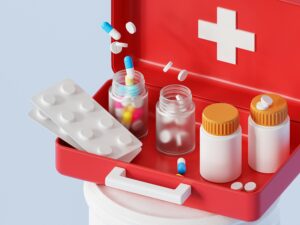
Emergency medicine remains one of the strongest foundations of healthcare today because it delivers immediate treatment during life-threatening situations. Hospitals and healthcare providers depend on rapid medical response to protect patients from severe complications and long-term health problems. Moreover, skilled professionals in emergency departments manage trauma, infections, strokes, and cardiac events every day. As healthcare systems continue to expand, medical leaders invest more resources in emergency services and hospital management to improve patient safety, hospital efficiency, and community health outcomes worldwide.
Rapid Response Improves Survival Rates
Fast medical action often determines whether a patient survives a serious condition. Doctors and nurses must evaluate symptoms quickly because delays can increase the risk of disability or death. Patients experiencing strokes, heart attacks, or severe injuries need immediate treatment to prevent permanent damage. Therefore, healthcare teams work under pressure to provide accurate care within minutes of arrival.
Hospitals now use advanced triage systems to identify critical patients faster than before. These systems allow staff to organize treatment priorities by medical urgency rather than by waiting time. As a result, healthcare providers improve patient outcomes while reducing stress in crowded departments. Quick intervention also increases public trust in hospital services and strengthens healthcare performance.
Healthcare Facilities Depend on Skilled Teams
Medical professionals working in urgent care settings require strong decision-making skills and advanced clinical training. Physicians, nurses, technicians, and paramedics cooperate closely during complex situations to stabilize patients and begin treatment immediately. Because medical emergencies change rapidly, teamwork remains essential for safe and effective care.
Healthcare organizations also invest in ongoing education programs to prepare staff for challenging situations. Simulation training allows medical teams to practice emergency scenarios in controlled environments before facing real-life cases. Consequently, professionals become more confident and organized during high-pressure situations. Better teamwork also supports smoother communication between hospital departments.
Modern Technology Enhances Medical Care
Technology continues to transform to transform healthcare by improving diagnostic speed and treatment accuracy. Hospitals now use digital imaging systems, electronic medical records, and artificial intelligence to identify medical problems more efficiently. These tools help doctors make informed decisions while reducing treatment delays for critically ill patients.
Portable devices also improve communication between ambulance crews and hospital staff during patient transport. Emergency responders can send medical data directly to healthcare facilities before arrival. Therefore, doctors can prepare equipment and specialists in advance for urgent situations. Improved coordination saves valuable time and supports better patient care.
Crisis Planning Protects Communities
Natural disasters, large accidents, and disease outbreaks create major challenges for healthcare systems. Hospitals must prepare carefully for sudden increases in patient numbers during these events. Strong planning helps healthcare facilities manage resources, organize staff, and maintain treatment quality during difficult situations.
Medical teams also cooperate with firefighters, police officers, and public health agencies during emergencies. Effective communication between organizations improves response speed and public safety. As a result, communities recover more quickly after disasters and large-scale health crises. Healthcare preparedness remains essential for protecting both patients and medical workers.
Rising Patient Demand Challenges Hospitals
Healthcare systems worldwide continue to experience increased demand for urgent treatment services. Population growth, chronic diseases, and aging communities have led to more hospital visits every year. Consequently, many medical centers struggle with overcrowding and longer patient wait times.
Limited access to primary healthcare also contributes to rising hospital visits. Many people seek immediate treatment because they cannot schedule appointments with regular healthcare providers quickly enough. Therefore, healthcare leaders must expand staffing, treatment areas, and support services to meet growing community needs. Stronger hospital systems improve patient care and reduce operational pressure.
Mental Health Care Requires Immediate Support
Hospitals now treat many patients facing emotional distress, substance abuse problems, and psychiatric emergencies. Individuals experiencing severe anxiety, depression, or emotional trauma often require immediate medical attention. Early intervention helps stabilize patients and reduces the risk of long-term mental health complications.
Healthcare facilities increasingly include mental health professionals within emergency departments to improve patient outcomes. Psychiatrists, counselors, and social workers work alongside physicians and nurses during crises. Consequently, hospitals provide more compassionate and complete care for vulnerable patients. Better support systems also reduce repeat hospital visits related to mental health conditions.
The Economic Value of Emergency Medicine
Emergency medicine contributes significant economic value to healthcare systems and society. Quick medical treatment reduces hospital admissions, prevents complications, and lowers long-term healthcare costs. Early intervention often decreases the need for expensive surgeries or extended hospital stays. Consequently, emergency medicine helps healthcare organizations operate more efficiently.
Moreover, strong emergency services support workforce productivity and community stability. Patients who receive fast treatment can recover sooner and return to daily life more quickly. Businesses and communities benefit when healthcare systems respond effectively to emergencies. Therefore, investment in emergency medicine creates both medical and economic advantages for society.
Emergency Medicine and Public Health Protection
Emergency medicine supports public health by identifying disease outbreaks and responding to community health threats. Emergency departments often detect unusual symptoms and infection patterns before other healthcare facilities. During pandemics and public health crises, emergency medicine teams provide testing, treatment, and patient education. As a result, they help control disease spread and protect public safety.
In addition, emergency departments collect valuable health data that supports medical research and policy development. Public health officials use this information to improve healthcare planning and emergency preparedness. Strong cooperation between emergency medicine and public health agencies strengthens healthcare systems as a whole. Consequently, emergency medicine remains essential for protecting population health.
Innovation Will Continue Transforming Healthcare
Healthcare systems continue investing in advanced tools and smarter treatment strategies to improve patient outcomes. Artificial intelligence, predictive software, and improved communication systems will likely increase treatment speed and accuracy in the future. These technologies may help doctors identify dangerous conditions earlier and begin treatment more effectively.
At the same time, healthcare leaders must continue supporting medical professionals through training, mental health resources, and workplace improvements. Skilled healthcare workers remain essential for maintaining high standards of patient care. As medical demands continue increasing, emergency medicine will remain a critical force within modern healthcare systems and community protection.