From Hand Pumps to High-Tech Rescue: The Remarkable Progress of Firefighting Equipment and Innovation


April 30, 2026
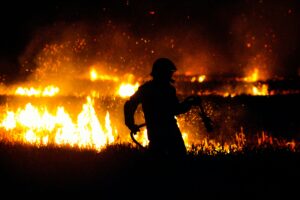
Firefighting has a long and fascinating history that reflects humanity’s constant effort to protect lives and property from destructive fires. In the earliest days, communities had very limited tools to fight flames. People relied on buckets of water, hand-carried ladders, and basic hand pumps to control fires. Entire neighborhoods often formed bucket brigades, passing water from one person to another to stop flames before they spread.
These methods were physically exhausting and often ineffective, especially in crowded cities with wooden buildings. Fires spread rapidly, and without proper protective clothing, firefighters faced serious risks from burns, smoke inhalation, and collapsing structures. Fire response during this time depended more on bravery than technology.
As cities expanded and industries developed, the need for stronger and faster firefighting solutions became impossible to ignore. This demand led to the first major innovations in fire suppression equipment.
The Rise of Fire Engines and Pumping Systems
The invention of fire engines changed the future of firefighting forever. Early hand-pumped fire engines allowed firefighters to spray water with greater force and reach compared to simple bucket lines. This made fire suppression more organized and efficient.
The next major leap came with steam-powered fire engines in the nineteenth century. These machines generated higher water pressure and could fight larger fires more successfully. They also reduced the physical strain on firefighters who previously operated pumps manually.
Later, gasoline-powered fire trucks replaced steam-powered ones. These vehicles made emergency response faster and more reliable. Firefighters could now transport hoses, ladders, rescue tools, and medical equipment directly to the scene in a single vehicle.
Modern fire trucks have become advanced emergency units equipped to handle a wide range of situations, from fires to rescues to medical emergencies. This transformation marked the beginning of firefighting as the professional emergency service we know today.
Protective Clothing That Saves Firefighters
In earlier centuries, firefighters had little protection against flames and smoke. Heavy coats and simple leather helmets offered only limited safety. Many firefighters suffered severe injuries because they lacked proper equipment to survive dangerous conditions.
Today’s turnout gear is designed using fire-resistant materials that protect against extreme heat while allowing mobility. Helmets are stronger and more durable, protecting from falling debris and impact injuries. Gloves and boots are specifically designed to resist heat while maintaining comfort and mobility.
One of the most important inventions in firefighter safety is the self-contained breathing apparatus, or SCBA. This system provides clean air through a portable oxygen supply, allowing firefighters to enter smoke-filled environments safely.
Before breathing equipment became common, smoke inhalation was one of the leading causes of firefighter deaths. SCBA systems dramatically improved survival rates and allowed firefighters to work longer in hazardous spaces.
Protective technology has transformed firefighting from a highly vulnerable job into a safer and more controlled profession.
Communication Systems That Improved Response Time
Quick communication is one of the most important parts of emergency response. In the past, fire alarms were often sounded by bells, whistles, or runners who moved through streets to alert nearby firefighters. This caused delays, allowing fires to grow larger before help arrived.
The development of telephones and radio communication greatly improved response speed. Dispatch centers could send alerts instantly, and firefighters could stay connected while traveling to emergencies.
Modern communication systems use advanced radio networks, GPS tracking, and digital dispatch software. Fire departments can coordinate with police, ambulance teams, and disaster response agencies in real time.
GPS systems help fire trucks reach incidents faster by selecting the safest and quickest routes. Digital building maps can show floor plans, hydrant locations, and hazardous material storage before firefighters even enter the scene.
This level of communication reduces confusion and improves both safety and decision-making during critical emergencies.
Smart Detection and Fire Monitoring Technology
Firefighters today rely on advanced technology that helps them detect danger before it becomes visible. One of the most valuable tools is the thermal imaging camera. This device detects heat signatures through smoke and walls, helping firefighters locate hidden flames, trapped victims, and dangerous hot spots.
Gas detectors are used to identify toxic fumes, carbon monoxide, and explosive gases. These tools are especially important in industrial fires and chemical emergencies where invisible dangers can be deadly.
Drones have become increasingly useful for wildfire management and large-scale disaster response. They provide aerial views of burning areas, helping teams track the spread of fire and identify safe access routes.
Modern buildings also include automatic fire alarms, sprinkler systems, and smoke detectors that can help prevent fires from becoming major disasters. These technologies improve prevention and reduce the overall damage caused by fire incidents.
Detection tools help firefighters respond faster and with greater confidence in dangerous environments.
Rescue Equipment for Modern Emergencies
Today’s firefighters handle far more than structural fires. Their responsibilities include responding to road accidents, flood rescues, hazardous materials incidents, medical emergencies, and disasters. This expanded role requires specialized rescue equipment.
Hydraulic rescue tools, often called jaws of life, are used to cut open vehicles and free trapped passengers after serious accidents. These tools save valuable time during life-threatening situations.
Rope rescue systems help firefighters perform rescues from high-rise buildings, cliffs, and confined spaces. Water rescue gear, such as inflatable boats, flotation devices, and protective suits, supports operations during floods and drowning emergencies.
Medical response equipment is also a major part of modern firefighting. Firefighters often carry oxygen tanks, defibrillators, trauma kits, and advanced life support tools to provide immediate care before ambulances arrive.
This shift shows how firefighting has become a complete emergency response profession rather than simply a fire suppression service.
The Future of Firefighting Through Innovation
Technology continues to shape the future of firefighting in powerful ways. Wearable sensors are now being developed to monitor firefighters’ heart rate, body temperature, and oxygen supply during operations. These systems help commanders identify danger before exhaustion or injury becomes critical.
Robots are being used in high-risk environments such as chemical spills, collapsed buildings, and intense fires where human entry would be too dangerous. These machines can search for victims, gather information, and even assist with suppression efforts.
Artificial intelligence is improving wildfire prediction by analyzing wind patterns, weather conditions, and vegetation dryness. This allows fire departments to prepare earlier and deploy resources more effectively.
Smart buildings connected to emergency services may soon provide live updates on the location of a fire, blocked exits, and people trapped inside. This technology can improve rescue speed and reduce loss of life.
Innovation is making firefighting safer, faster, and more effective for both firefighters and the communities they serve.
A Legacy of Courage and Constant Improvement
Even with advanced tools and smart technology, firefighting remains one of the most dangerous professions in the world. Firefighters continue to face unpredictable environments, extreme heat, and life-threatening decisions every day.
Technology supports their mission, but it cannot replace courage, training, and teamwork. The human element remains at the center of every rescue.
From hand pumps and leather helmets to drones and rescue robots, the evolution of firefighting equipment tells a story of progress driven by necessity and compassion. Every improvement represents a step toward better protection for both emergency responders and the public.
The future of firefighting will continue to evolve, but its purpose will remain the same: saving lives, protecting communities, and standing strong when danger appears.