Inside Firefighter Training Programs: From Recruit to First Responder


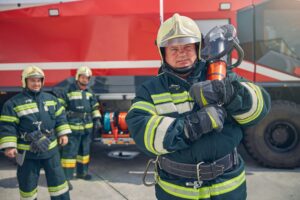
Firefighter training shapes individuals into capable responders who can handle intense emergencies with clarity and resilience, and every step of the journey prepares recruits for situations that demand strong decision-making, emotional control, and physical training that builds endurance, power, and agility under pressure.
Through repeated drills, realistic simulations, and structured fitness programs, trainees learn to move efficiently in heavy gear, sustain performance in extreme conditions, and protect themselves and others, while reinforcing a deep sense of service, teamwork, and commitment to the communities they serve.
The Foundation of Firefighter Training
Firefighter training begins with foundational instruction that introduces recruits to the core principles of emergency response. Throughout this phase, participants learn how to think quickly while also staying grounded in proven practices that support safety. Instructors guide recruits through scenarios that build confidence and improve decision-making, allowing trainees to understand how each action affects an incident’s outcome. The environment stays challenging, yet the structure keeps learners motivated to grow.
As recruits navigate these early lessons, they gain insight into the teamwork that defines effective emergency operations. The emphasis on communication helps them coordinate in stressful moments while still focusing on their primary role. Since every trainee must master essential responsibilities before moving forward, the foundation stage plays an important role in shaping dependable future responders.
Physical Readiness and Conditioning
Physical conditioning supports every part of firefighter training, and instructors push recruits to develop strength, stamina, and agility. Since emergency work demands quick movement, sustained energy, and the ability to manage heavy gear, trainers incorporate exercises that mirror real incidents. Running drills, hose carries, stair climbs, and equipment lifts help each learner adapt their body to the intensity of future assignments. Because fitness must remain consistent throughout a responder’s career, these habits build long-term readiness.
Trainees also learn that proper conditioning prevents injuries and improves operational speed, keeping the team safer during critical situations. Even as workouts grow more difficult, recruits discover their capacity to overcome fatigue and maintain focus under pressure. That mindset becomes invaluable once they enter live-fire scenarios, making physical readiness a key pillar of firefighter training.
Classroom Instruction and Technical Knowledge
Classroom learning provides a deep understanding of fire behavior, building construction, hazardous materials, and rescue protocols. Instructors present detailed information in clear language while using innovative techniques such as interactive simulations, digital modeling, and scenario-based analysis to ensure trainees understand how different structural layouts affect heat transfer and smoke patterns. This knowledge helps future responders choose the safest and most effective strategies during emergencies. Because the field constantly evolves, recruits learn updated concepts that support modern firefighting
Technical instruction extends beyond theory by integrating practical demonstrations that clarify complex topics. When recruits observe how certain materials react to extreme temperatures, they gain a clearer understanding of what to expect on scene. As a result, classroom sessions complement hands-on training while improving each student’s ability to think analytically.
Skills Development Through Live Simulations
Live simulations allow recruits to apply classroom knowledge in controlled yet realistic settings. These drills replicate the pressure of active emergencies, encouraging trainees to stay calm as they navigate smoke, darkness, and loud environments. Simulations reinforce essential tactics, including search patterns, ventilation techniques, water application, and safe entry. Because the objective is to build instinct through repetition, every exercise supports smoother performance in real incidents.
Instructors evaluate each trainee’s approach and offer guidance that strengthens coordination and situational awareness. When learners experience varied scenarios, they begin recognizing patterns that help them anticipate changing conditions. As confidence grows, trainees become more comfortable acting decisively, which is critical for future responders. With every step, firefighter training deepens their understanding of teamwork and strengthens their ability to function in high-risk environments.
Emergency Medical Preparedness
Emergency medical instruction represents a major element of firefighter training, since many calls involve patient care rather than fire suppression. Recruits learn how to assess injuries, stabilize patients, administer oxygen, and use lifesaving equipment. This training ensures that responders can act quickly when every minute counts. Since medical incidents span a wide range of conditions, trainees practice maintaining composure while offering calm reassurance to those in distress.
As they progress, recruits begin applying these techniques under simulated emergency timelines. The combination of speed and accuracy becomes essential, helping trainees develop habits that support real-world medical response. Because communities depend on firefighters for consistent care, strong preparation in this area improves overall public safety. Additionally, medical readiness strengthens the versatility expected of modern first responders.
Preparing for Advanced Operational Challenges
Advanced training introduces recruits to specialized tools and techniques used in complex incidents. For example, trainees learn to manage vehicle extrication, structural collapse, and wildland operations. Each scenario demands unique strategies, prompting learners to expand their technical abilities. The instruction stays focused on safe, efficient movement, so responders know how to adapt in dangerous environments.
Through repeated practice, trainees sharpen their judgment and increase their capability to support multi-unit operations. Since advanced challenges often require cross-agency cooperation, firefighter training emphasizes clear communication and unified action. These lessons prepare recruits to operate confidently once they enter active service.
Transitioning From Recruit to First Responder
The final stage of firefighter training prepares recruits for the realities of their new profession. Instructors help trainees reflect on their progress while reinforcing the commitment required to serve their communities and perform rescue operations in demanding, unpredictable environments. As they move toward certification, recruits demonstrate readiness through practical evaluations that measure speed, accuracy, judgment, and coordinated response. These assessments confirm that each individual can perform under real-world pressure while protecting lives and property.
Entering active service marks the beginning of a lifelong learning journey. Even after graduation, firefighters continue to refine their skills through ongoing education and field experience. Because emergencies evolve, continuous improvement ensures they stay prepared for unpredictable challenges. The transition from recruit to responder represents a major achievement, yet it also signals the start of a career defined by resilience, teamwork, and dedication.