Guardians of the Community: The Vital Role of Firefighters in Everyday Life


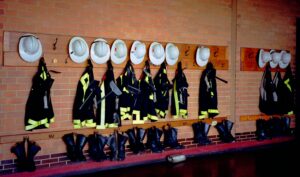
When people think of firefighters, they often picture blazing flames and daring rescues. While these dramatic moments capture attention, the reality of firefighting is far broader. Firefighters protect lives, support communities, and prevent disasters in ways that often go unseen. Their work blends courage, skill, and compassion, creating a role that is both physically demanding and socially essential. Appreciating the full scope of their responsibilities reveals why firefighters are pillars of safety in every neighborhood.
Responding to Crises with Skill and Speed
Firefighters train relentlessly to handle emergencies that extend well beyond fires. They respond to vehicle accidents, hazardous material spills, and structural collapses, applying specialized skills in high-pressure situations. Quick thinking and decisive action are essential when assessing risks, prioritizing safety, and coordinating rescues. Every emergency requires adaptability, teamwork, and careful judgment. Their ability to act effectively in unpredictable scenarios highlights that firefighting is as much a science as it is an act of bravery.
Life-Saving Medical Response
Many firefighters serve as first responders to medical emergencies, providing care before paramedics or hospitals arrive. They stabilize patients suffering from heart attacks, strokes, severe injuries, and other urgent conditions. By administering critical interventions and monitoring vital signs, firefighters can improve outcomes and save lives. This dual responsibility underscores their importance to public health: firefighters protect communities not only from external hazards but also from medical crises that demand immediate attention.
Educating the Public and Preventing Disasters
Firefighters devote significant effort to community education and prevention programs. They teach children about fire safety, offer workshops to residents, and guide homeowners in minimizing risks. Preventing emergencies before they occur is a core part of their mission. Through public awareness campaigns and advocacy for safety measures like smoke detectors, evacuation plans, and fire-resistant building practices, firefighters empower communities to act proactively. Their work in prevention demonstrates that safeguarding lives involves both response and preparation.
Disaster Preparedness and Rescue Operations
Beyond everyday emergencies, firefighters are critical during natural disasters such as hurricanes, floods, and wildfires. They help evacuate residents, conduct rescues in dangerous conditions, and support recovery efforts. Collaborating with other agencies, they develop emergency plans and strategies that improve community resilience. Their expertise ensures that entire communities can withstand crises more effectively, making firefighters key figures not just in emergencies but also in long-term preparedness and disaster management.
Mental and Emotional Strength
Firefighting demands more than physical endurance; it requires extraordinary mental and emotional resilience. Firefighters regularly face traumatic situations and life-threatening hazards. Departments provide counseling, peer support, and stress management programs to help staff maintain well-being. Staying calm and focused under pressure is crucial, as split-second decisions often determine outcomes. The profession demonstrates that true courage combines physical bravery with the mental strength to confront danger while protecting others.
Teamwork and Leadership
Firefighting is inherently a team effort. Coordinated action, trust, and clear communication are essential for success. Leaders within fire departments guide operations, mentor recruits, and maintain morale during challenging circumstances. Each firefighter depends on colleagues to execute complex maneuvers safely and efficiently. The combination of leadership and collaboration ensures that emergencies are managed effectively, highlighting that courage alone is not enough—teamwork is essential to saving lives.
Commitment Beyond Emergencies
Many firefighters extend their dedication beyond immediate crises, participating in community events, mentoring programs, and charitable initiatives. They provide guidance, comfort, and support, fostering trust and resilience within the communities they serve. This commitment reflects the broader mission of firefighters: to protect, educate, and strengthen society in ways that go far beyond visible heroics. Their presence reassures residents and reinforces the social fabric, showing that service extends well beyond emergency calls.
Firefighters embody courage, skill, and dedication, yet their role reaches far beyond putting out fires. They serve as medical responders, educators, disaster planners, and community leaders. Their actions protect lives, prevent disasters, and empower residents to create safer environments. Recognizing the full scope of their responsibilities reveals the profound impact firefighters have on communities. They are not only heroes in moments of crisis but also guardians of safety, resilience, and hope every day. Through their commitment and expertise, firefighters remain indispensable pillars of public trust and community well-being.