Emergency Medicine Technology That Improves Patient Outcomes


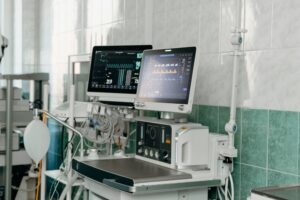
Emergency rooms demand speed, clarity, and trust. Therefore, teams rely on tools that help them act fast and think clearly. Emergency medicine technology now shapes how clinicians assess risk, share data, and deliver care. Moreover, these tools help reduce stress while improving outcomes. Because patients arrive with urgent needs, technology must support swift choices. As a result, hospitals invest in systems that guide action without delay.
Emergency medicine technology connects people, data, and devices in real time. Consequently, clinicians gain a clearer view of each case. They can spot danger early and adjust care with confidence. Also, families benefit because care feels more coordinated and transparent. While pressure remains high, technology eases the load and supports safer decisions.
More intelligent triage and faster decisions
Triage sets the tone for every visit. Therefore, accuracy matters from the first moment. Emergency medicine technology improves triage by blending clinical insight with data signals. For example, systems analyze symptoms, vital signs, and history to flag risk. Then, teams can prioritize care with clarity.
Because speed saves lives, innovative triage tools help clinicians act sooner. Moreover, these tools reduce bias by applying consistent logic. As a result, patients receive attention based on need rather than guesswork. Also, staff confidence rises because decisions rest on solid support.
Transitioning from paper to digital flow also improves communication. While clinicians assess patients, systems update status across the department. Therefore, everyone stays aligned. This alignment cuts delays and supports better outcomes.
Real-time data at the bedside
Data drives modern care. However, data must arrive at the right moment. Emergency medicine technology delivers real-time insights at the bedside. Clinicians can view labs, imaging, and notes without leaving the patient. Consequently, they spend more time caring and less time searching.
Because systems integrate across departments, information flows smoothly. Moreover, alerts highlight changes that demand action. Therefore, teams can intervene before problems grow. This proactive care improves safety and trust.
Real-time dashboards also support teamwork. While physicians focus on diagnosis, nurses track trends and respond quickly. As a result, care feels coordinated and calm. Patients notice this flow and feel reassured.
Clinical decision support that guides care
Decision support tools assist without replacing judgment. Therefore, clinicians remain in control while gaining helpful cues. Emergency medicine technology offers guidance based on evidence and best practice. For instance, prompts suggest tests or treatments when risk appears high.
Because these tools learn from patterns, they adapt over time. Moreover, they help reduce variation in care. As a result, patients receive consistent treatment aligned with standards. Also, new clinicians gain confidence through clear support.
Importantly, good design keeps alerts meaningful. While too many warnings distract, innovative systems focus on what matters. Therefore, teams trust the guidance and act on it. This trust leads to better outcomes and smooth workflows.
Telehealth expands access and speed.
Telehealth reshapes emergency care by extending reach. Therefore, patients in remote areas gain faster access to expertise. Emergency medicine technology connects local teams with specialists through secure video and data sharing. As a result, care begins sooner.
Moreover, telehealth supports triage before arrival. While patients connect from home or clinics, clinicians assess risk and plan next steps. Consequently, emergency departments prepare in advance. This preparation reduces crowding and stress.
Telehealth also supports follow-up and education. Because patients understand their care plan, they feel empowered. Also, unnecessary returns decline. Thus, outcomes improve while resources remain available for true emergencies.
Imaging and diagnostics move at the speed of care.
Diagnostics guide action, so speed matters. Emergency medicine technology accelerates imaging and testing workflows. Systems prioritize urgent cases and route results instantly. Therefore, clinicians make decisions without delay.
Advanced tools enhance image quality and clarity. Moreover, decision aids highlight critical findings. As a result, teams catch issues early and act with precision. This early action improves recovery and reduces complications.
Integration plays a key role here. While labs and imaging connect to records, clinicians see the whole picture. Consequently, they avoid duplicate tests and reduce risk. Patients benefit from faster answers and focused care.
Interoperability strengthens continuity
Care does not end at the emergency door. Therefore, continuity matters. Emergency medicine technology improves interoperability across systems. Clinicians access records from other facilities, clinics, and pharmacies. As a result, they understand history and context.
Because information flows smoothly, handoffs improve. Moreover, discharge planning becomes clearer. Patients leave with accurate instructions and follow-up plans. Consequently, readmissions decline, and trust grows.
Interoperability also supports public health. While trends emerge, data helps leaders plan resources and respond effectively. Thus, technology supports both individual care and community health.
Artificial intelligence supports safer workflows.
Artificial intelligence adds insight without slowing care. Therefore, emergency medicine technology uses intelligent tools to spot patterns. These tools predict risk, flag deterioration, and suggest next steps. As a result, teams act early.
Moreover, automation reduces clerical burden. While systems handle routine tasks, clinicians focus on patients. This focus improves satisfaction and reduces burnout. Because teams feel supported, care quality rises.
Transparency remains vital. Therefore, systems explain recommendations clearly. Clinicians understand why a suggestion appears and can accept or decline it. This clarity builds trust and ensures safe use.
Cybersecurity and patient trust
With more data comes responsibility. Therefore, emergency medicine technology must protect privacy. Strong security safeguards data without hindering care. As a result, patients feel safe sharing information.
Moreover, resilient systems reduce downtime. While emergencies demand constant access, a secure design keeps tools available. Consequently, care continues without interruption. Trust grows when systems perform reliably.
Education supports security as well. Because teams understand best practices, risks decline. Thus, technology protects both data and outcomes.
Training and human-centered design
Technology succeeds when people embrace it. Therefore, emergency medicine technology focuses on human-centered design. Interfaces stay clear, simple, and intuitive. As a result, training feels smooth, and adoption rises.
Simulation tools support learning in safe settings. While teams practice scenarios, they build skill and confidence. Consequently, real-world performance improves. Patients benefit from calm, prepared clinicians.
Feedback loops also matter. Because users share insights, systems evolve. This collaboration ensures tools meet real needs and support care effectively.
The future of emergency medicine technology
Innovation continues at a rapid pace. Therefore, emergency medicine technology will continue to evolve to meet demand. Integration, intelligence, and empathy will guide progress. As a result, care will feel faster and more personal.
Hospitals that invest wisely will see substantial returns. Moreover, patients will experience better outcomes and more transparent communication. While challenges remain, technology offers robust solutions.
Emergency medicine technology serves a simple goal. It helps people when they need it most. Supporting clinicians and empowering patients improves outcomes and builds trust across emergency care.